Frequently Asked Questions
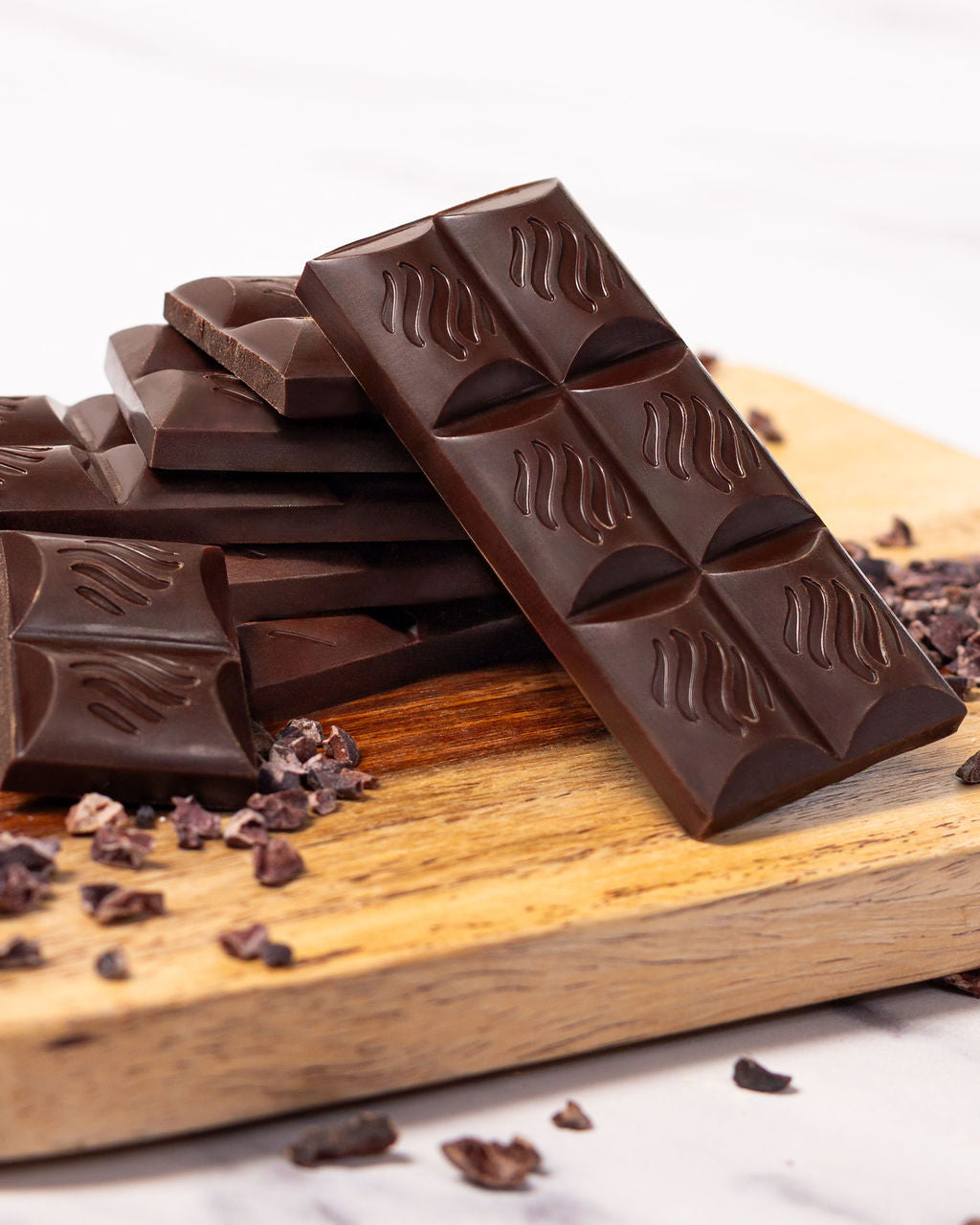
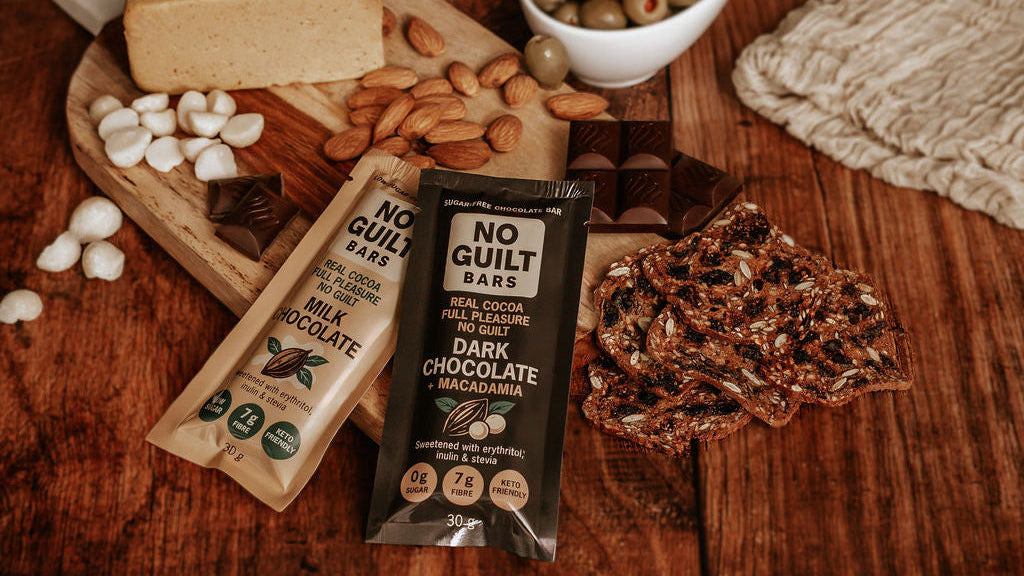
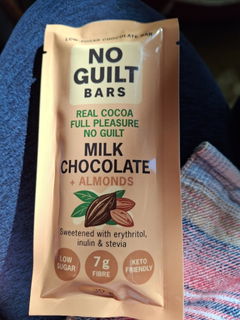
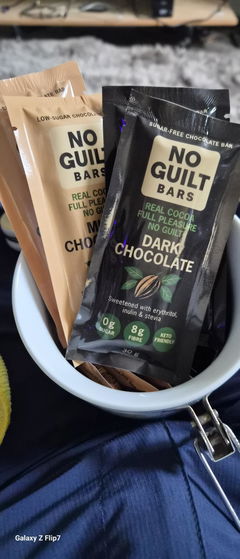
No. It's real chocolate — made with cocoa mass and cocoa butter, the same way premium chocolate has always been made. The sweetness comes from erythritol and a touch of stevia instead of sugar. Most people can't tell it's sugar-free.
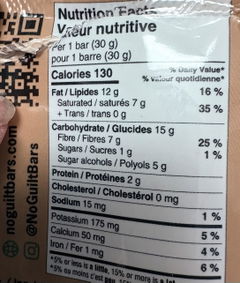
Yes. Each bar has 2–4 g of net carbs and is suitable for most ketogenic and low-carb diets.
Many people managing diabetes enjoy our bars because they don't spike blood sugar the way regular chocolate does. We're not doctors — talk to your healthcare provider about what works for you.
For most people, one bar is well within the comfortable range. Sugar alcohols can cause digestive upset in larger quantities, so if you're sensitive, start with one bar.
We picked the cleanest option Health Canada allows us to use. Two sweeteners, both occurring in nature, both with zero glycemic impact, neither synthesized in a chemistry plant.
Erythritol is found naturally in grapes, pears, and fermented foods. The erythritol in our bars is produced by fermentation — the same process behind wine, vinegar, and yogurt. It has a glycemic index of zero, and it's the only sugar alcohol that's almost entirely absorbed in the small intestine instead of fermenting in the large intestine. That's why it doesn't cause the digestive trouble most "sugar-free" chocolate is known for.
Stevia comes from the leaves of the Stevia rebaudiana plant. Health Canada approved purified stevia extract as a food additive in 2012 after a full safety review. We use it in tiny amounts to round out sweetness — small enough that there's no bitter aftertaste.
Inulin isn't a sweetener — it's a prebiotic fibre extracted from chicory root — but it's central to how our bars work. Inulin gives our chocolate the smooth, full body that sugar normally provides, and it's responsible for most of the 7–8 g of fibre on every label. It also feeds the beneficial bacteria in your gut. There's no synthetic shortcut for what it does.
Here's what we don't use, and why:
Maltitol. It's the workhorse of cheap sugar-free chocolate, and it's the reason cheap sugar-free chocolate has a bad reputation. Maltitol's glycemic index is 35–52 — table sugar is around 60. It spikes blood sugar nearly as much as the real thing, and it ferments aggressively in the large intestine. We don't use it. Anywhere.
The other sugar alcohols — isomalt, sorbitol, xylitol, lactitol, mannitol. All raise blood sugar more than erythritol, and all cause more digestive trouble. Erythritol is genuinely in a category of one.
Aspartame, sucralose, acesulfame-potassium, saccharin, neotame. Health Canada considers all of these safe at permitted levels and we're not arguing with that. But they're synthesized in factories — sucralose from chlorinated sugar, aspartame from a chemical reaction between two amino acids, ace-K built from acetoacetic acid. We made a different choice.
A note on allulose, since people sometimes ask. It's a rare sugar with zero glycemic impact and a sugar-like taste, popular in the US sugar-free space. Health Canada hasn't approved allulose as a food additive, which means it can't legally be used in food sold in Canada. If that changes, we'll take a serious look. Until then, we use the best of what's permitted in this country — and we think erythritol with stevia, plus inulin doing the structural work, is the cleanest sugar-free chocolate you can make under Canadian rules.